
Australian researchers and industry partners have pioneered an accelerator-free method to 3D print concrete structures directly in marine environments, opening new frontiers for subsea infrastructure.
The world of additive manufacturing is about to get a lot deeper. A groundbreaking collaboration between the University of Wollongong (UOW) and Melbourne-based construction technology company Luyten 3D has resulted in what is believed to be a world-first: a viable system for 3D printing concrete structures directly underwater.
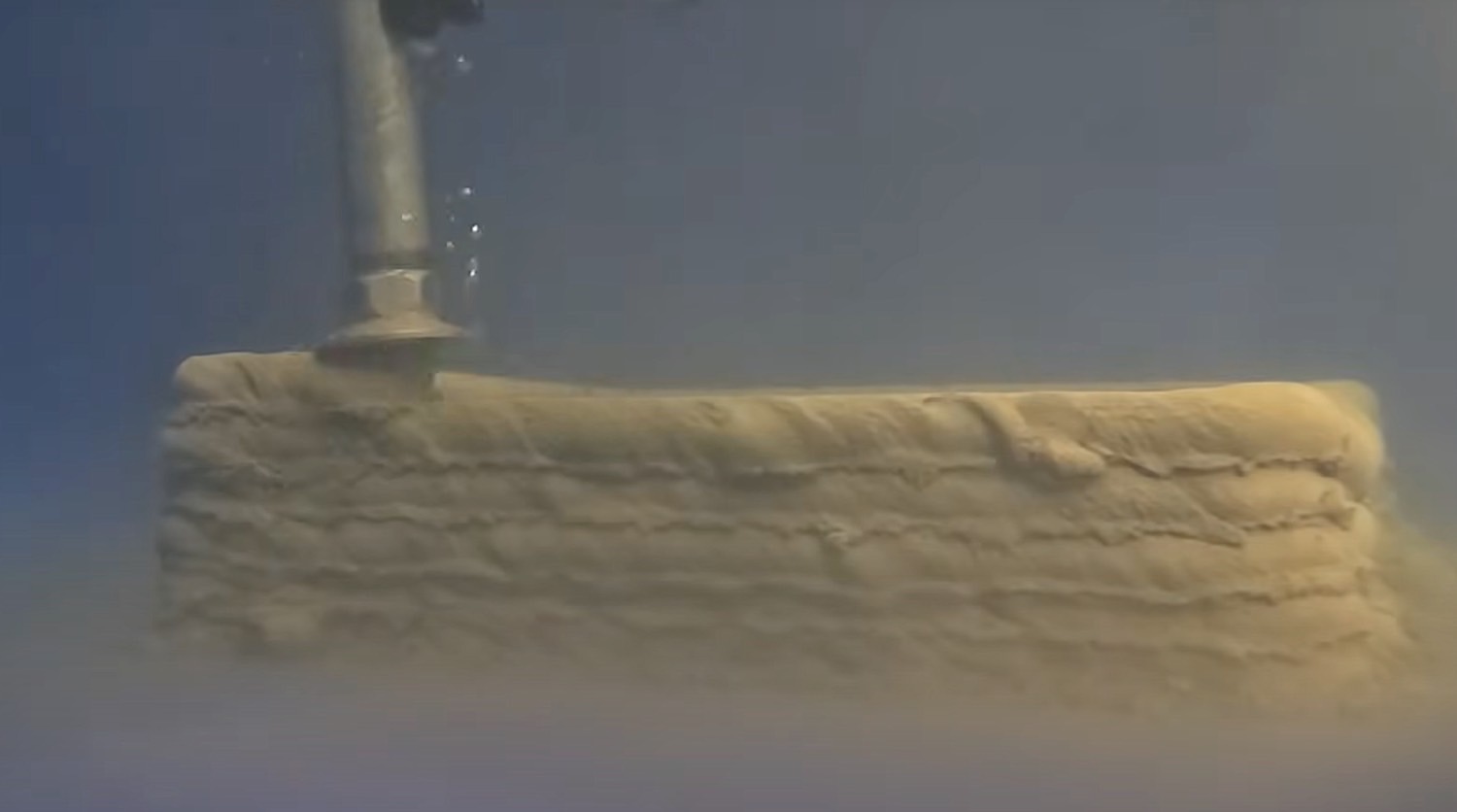
This innovation, detailed in a recent announcement, bypasses the traditional complexities and environmental concerns of underwater construction, promising to revolutionize how we build everything from the foundations of floating wind farms to critical defense installations.
The Problem with Pouring Concrete in the Sea
Traditionally, placing concrete underwater has been a logistical and chemical challenge. It often relies on multi-stage processes or the use of rapid-setting chemical additives to prevent the concrete mix from washing out before it cures. As noted by the project lead, Dr. Aziz Ahmed from UOW, these methods add significant cost, complexity, and environmental risk.
Video:
The Solution: A Smarter, Single-Mix Formula
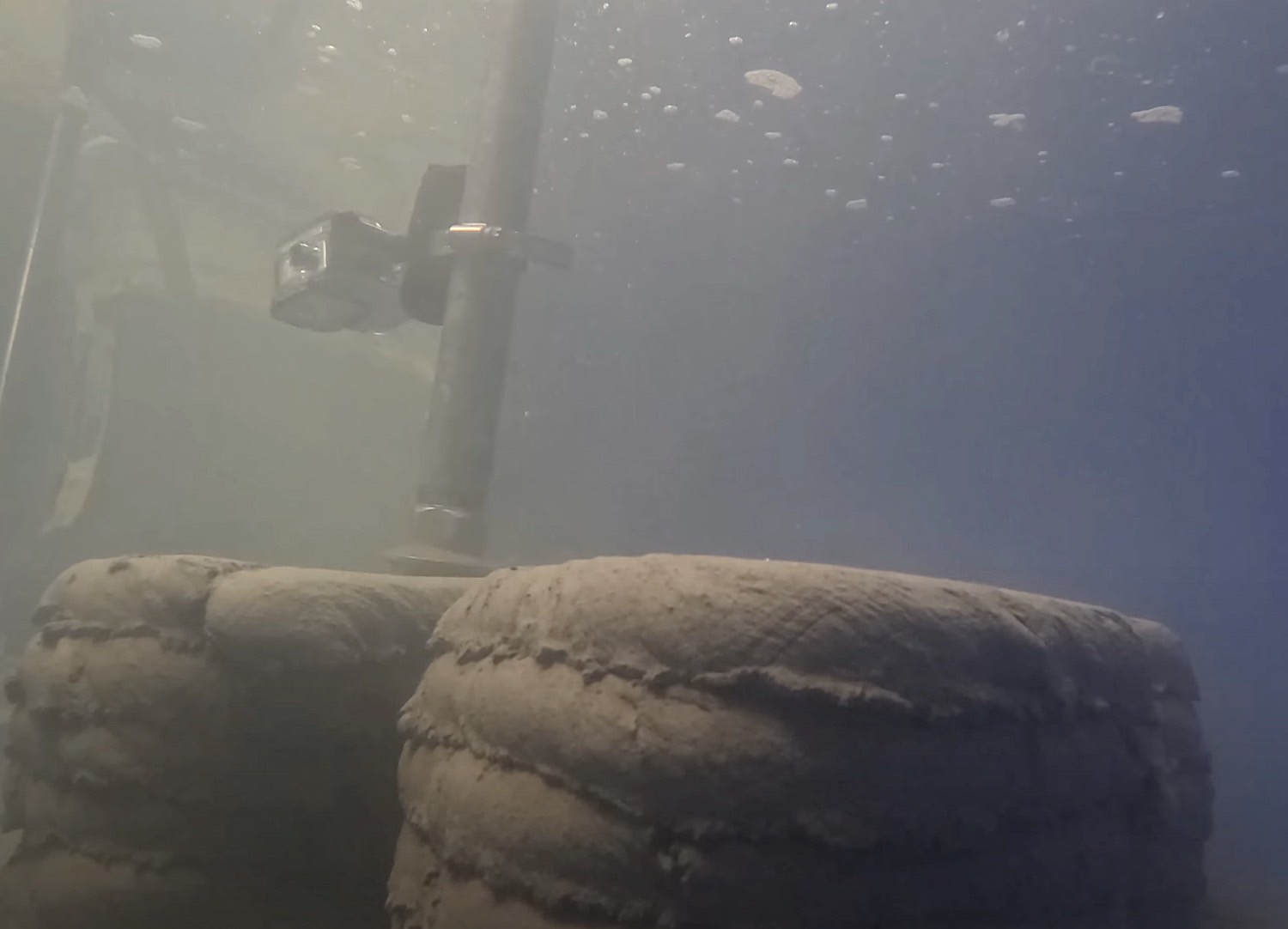
The core breakthrough from the UOW and Luyten 3D team lies in material science. They have engineered a unique, single-mix concrete formulation that is designed to set and maintain its structural integrity underwater without any chemical accelerators or additives. This “smart material” design resists washout, even in moving water, proving both theoretically sound and practically viable.
“This is the first underwater 3D concrete printing system developed and demonstrated in Australia,” Dr. Ahmed stated. “It offers the structural integrity needed for real-world application while simplifying the logistics of underwater deployment.”
Ahmed Mahil, Global President and CEO of Luyten 3D, sees this as a pivotal moment for the industry. “Printing underwater fundamentally changes how we think about building, repairing, and strengthening critical infrastructure in marine environments,” he said. “We’re moving beyond what’s possible on land.”
Revolutionizing Offshore Wind and Defense
The potential applications for this technology are vast, with two sectors standing out as immediate beneficiaries:
- Floating Offshore Wind Farms: As the wind energy industry moves into deeper waters, floating platforms require massive, stable anchoring systems on the seabed. This 3D printing technology could enable the on-site, on-demand construction of these complex concrete anchors and foundations, potentially reducing costs, logistical hurdles, and installation times compared to traditional methods.
- Defense and Subsea Assets: The strategic implications for defense are significant. The technology has been directly linked to future applications within the AUKUS submarine program. It could be used for the rapid repair of damaged port infrastructure, the construction of clandestine underwater structures, or the reinforcement of existing subsea assets and bases, offering a new level of resilience and capability.
Beyond these, the system holds immense promise for building and maintaining ports, wharves, coastal defenses, and other critical marine infrastructure.
A Platform for the Future
The project is being hailed not just as a commercial breakthrough, but as a testament to collaborative innovation. Professor Gursel Alici, Executive Dean of UOW’s Faculty of Engineering and Information Sciences, highlighted that the team “solved a complex material science problem, eliminating chemical accelerators without sacrificing stability.”
The researchers see this as a foundational platform technology with potential applications far beyond Earth, including the development of construction techniques for extraterrestrial environments.
For the engineering and design community, underwater 3D concrete printing represents a new frontier. It challenges conventional design paradigms and opens up a realm of possibilities for creating robust, sustainable, and complex structures in one of the planet’s most challenging environments.