
GAPAN, Nueva Ecija – On February 12, 2026, a significant electrical event took place here that had little to do with the Philippines’ famous summer heat and everything to do with harnessing it. Engineers from Meralco PowerGen Corporation (MGEN) and the National Grid Corporation of the Philippines (NGCP) oversaw a controlled “switch-on”—the initial grid synchronization and energization of the MTerra Solar project . While the ceremony was called “The First Spark,” the engineering reality was a meticulously orchestrated ballet of power electronics, substation automation, and transmission-level coordination.
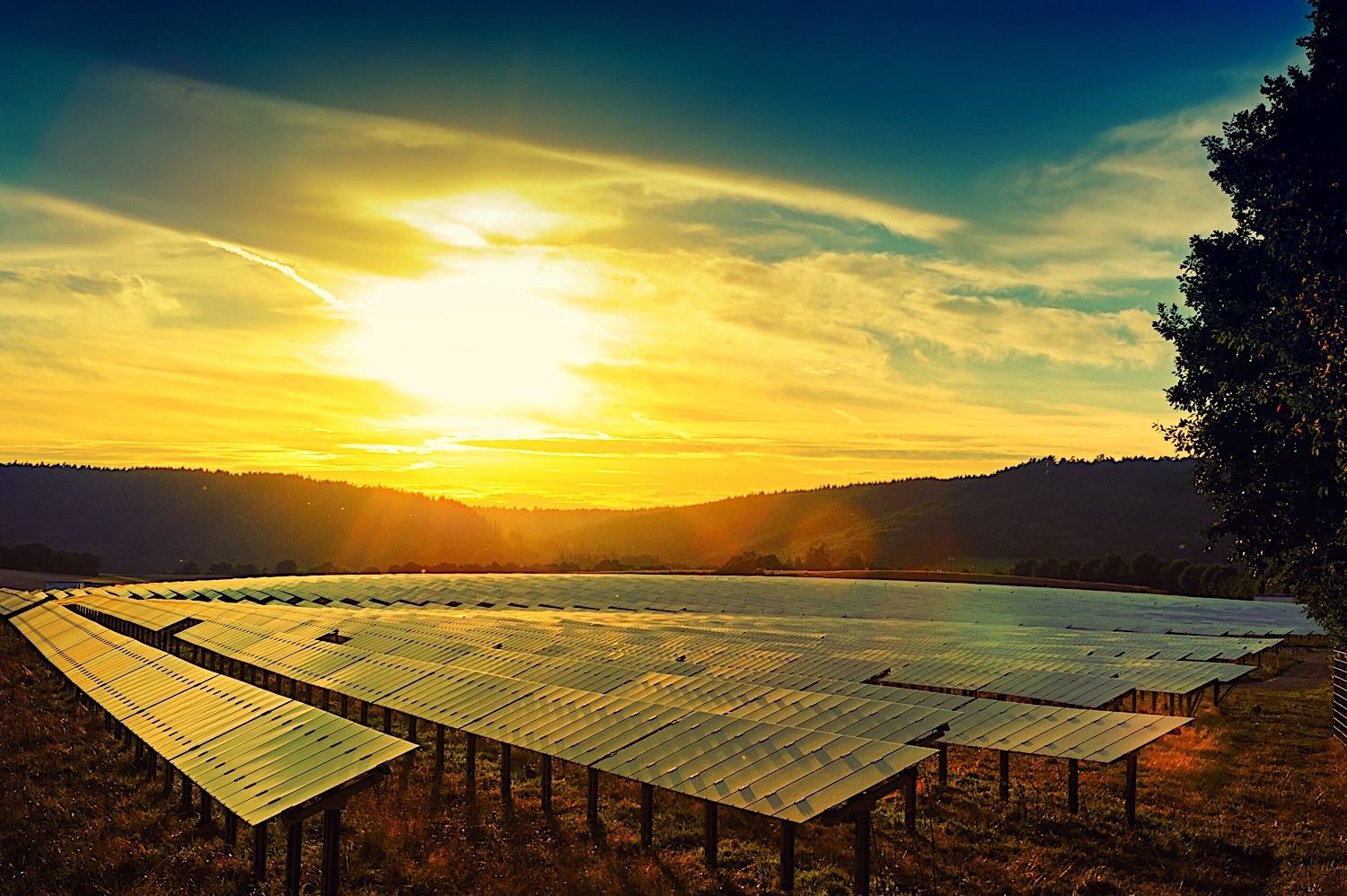
This milestone marks the first time the world’s largest integrated solar photovoltaic (PV) and battery energy storage system (BESS) has begun to interact with a live transmission grid, transitioning from a massive construction project to an operational power asset.
Project Specifications: Beyond Megawatts
To understand the scale of the engineering challenge, one must first grasp the final design specifications. Once fully completed, the MTerra Solar project, sprawling across 3,500 hectares in the provinces of Nueva Ecija and Bulacan, will comprise a 3,500 MWp solar PV farm paired with a 4,500 MWh BESS . This is being delivered in two phases, with Phase 1 accounting for approximately 2,500 MWp of solar and 3,300 MWh of storage .
As of the end of January 2026, Phase 1 has already achieved 1,288 MWdc of installed solar capacity, making it the largest solar installation in the country today . In parallel, 622 BESS units have been physically installed . The project is designed to be a “hybrid” facility, meaning the storage is co-located and integrated with the generation source, allowing it to present a firm and dependable capacity to the grid—a feature previously unattainable with standalone solar farms .
The Grid Interface: A 500kV Engineering Feat
The “First Spark” event was not about flipping a switch on solar panels. It was the culmination of complex transmission-level infrastructure work. The critical enabler for this connection was the successful energization and “cut-in” of the project’s dedicated 500-kilovolt (kV) substation .
This substation is the project’s interface with the outside world, tied directly into the NGCP’s Nagsaag–San Jose 500-kV Transmission Line 2 . For context, 500 kV is the highest tier of the Philippines’ transmission backbone, used to transport bulk power over long distances with minimal losses. Integrating a private generating asset at this voltage level requires rigorous protection and coordination schemes to ensure that a fault at the solar farm doesn’t destabilize the entire Luzon grid. Redi Allan Remoroza, NGCP’s Head of Transmission Planning, emphasized that this step was critical for “establishing the transmission interface for one of the country’s most significant clean energy projects” .
Phase 1 Energization: Technical Status and Targets
Following the initial synchronization, the project has entered a carefully managed commissioning phase. By the end of February 2026, the target is to have 250 MWac of solar capacity and 112.5 MWh of battery storage ready for grid operations . During this period, the system will begin exporting 85 MW of constant power to the grid .
The emphasis on “constant power” is a key design indicator. This export is likely being managed by the BESS, which can smooth the natural variability of the solar PV output, thereby demonstrating the system’s ability to provide stable, dispatchable power. This testing regime, conducted in close coordination with NGCP, is designed to validate the plant’s control systems and stability before ramping up to full capacity in the coming months .
Technological Deep Dive: Modules and EPC
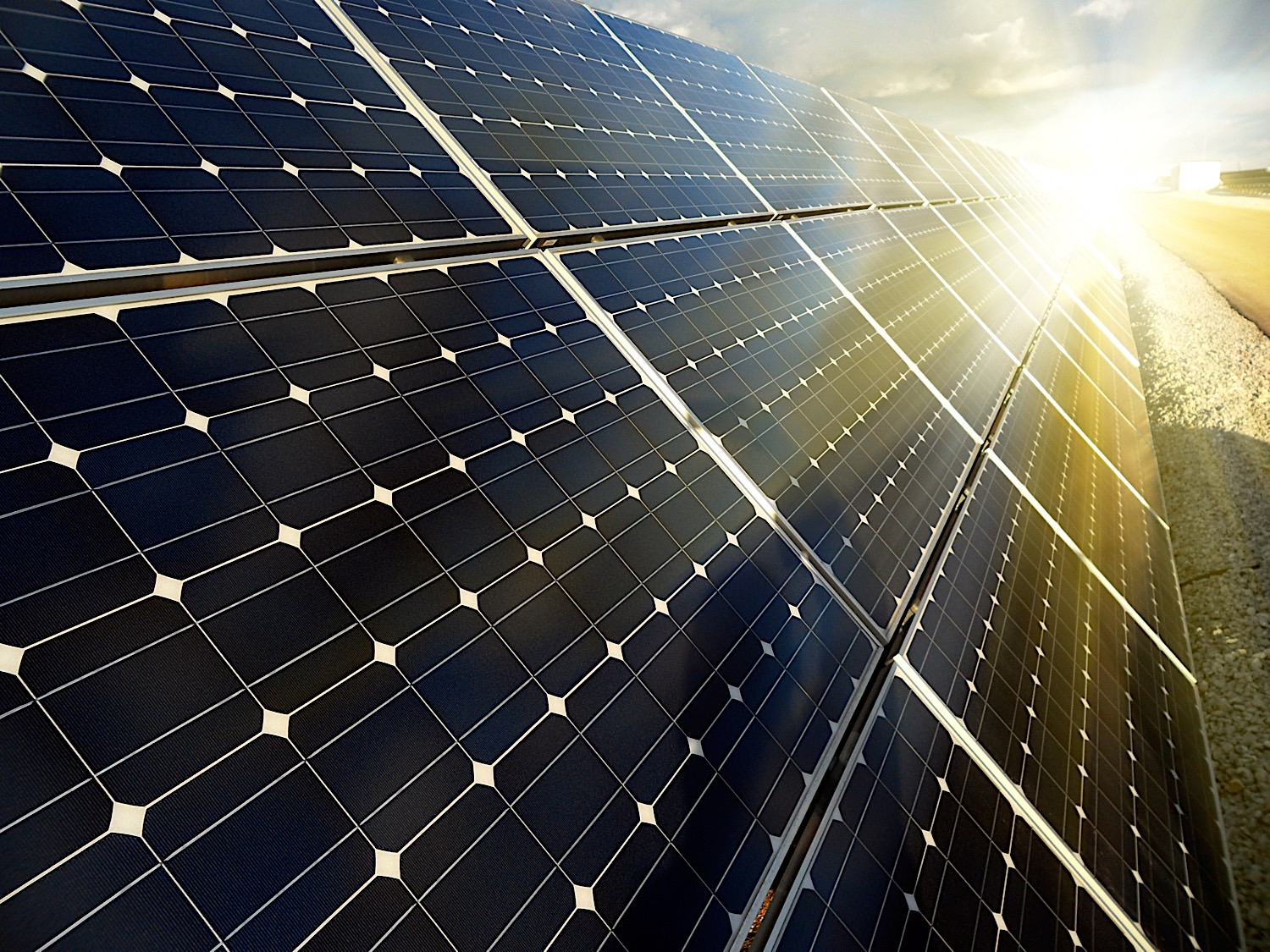
Recent reports have shed light on specific technology choices driving the project’s efficiency. The MTerra site utilizes bifacial n-type tunnel oxide passivated contact (TOPCon) photovoltaic modules . Unlike standard panels, bifacial modules capture light on both the front and back sides, increasing energy yield, especially in areas with high albedo (reflective ground surfaces). The n-type TOPCon cell structure offers higher efficiency and lower degradation rates compared to older p-type technologies, a critical factor for a project of this scale aiming for a 30+ year lifespan.
The engineering, procurement, and construction (EPC) backbone of the project is a multinational effort. In late 2025, contracts were awarded to a consortium including GEDI Construction Development Corp. (Philippines), China Energy International Group Co., and China Energy Engineering Group Guangdong Electric Power Design Institute Co. . These contracts specifically cover the “South Block” of the project, which includes 1,050 MWp of solar and 1.2 GWh of BESS capacity, highlighting the modular approach to constructing the colossal facility .
Operational Logic and National Impact
From an operational standpoint, MTerra Solar is designed to solve the classic renewable challenge of intermittency. Department of Energy Undersecretary Rowena Guevara noted that once fully synchronized, the plant can supply “firm and dependable capacity” through the combination of solar and storage . This means the BESS can charge during the day when solar is abundant and discharge during peak evening hours or when clouds pass over, effectively acting as a massive, fast-responding power plant.
The strategic importance is immense. Energy Secretary Sharon Garin stated that at full power, the plant will supply electricity equivalent to 10% of the Luzon grid’s demand . For engineers at NGCP, this represents a significant shift in generation mix, requiring advanced forecasting and grid management tools to maintain frequency and voltage stability.
With Phase 2 construction already initiated (marked by the first pile installations) , the engineering focus now shifts from construction completion to proving the operational reliability of the world’s most ambitious renewable energy hybrid.
Sources
- Meralco PowerGen Corporation (MGEN) Official Release
- BusinessMirror Report
- InterestingEngineering.com
- pv magazine India
- RenewEconomy
- MarketScreener / PV Tech
- Philippine Daily Inquirer
- Terra Solar Philippines Official Project Page