
For more than three decades, lithium-ion batteries have been the undisputed king of energy storage, powering everything from smartphones to electric vehicles to grid-scale renewable systems. But lithium has a problem: it’s expensive, geographically concentrated, and increasingly strained by surging global demand. Enter sodium—the sixth-most abundant element on Earth, found in seawater and common salt—and its potential to democratize energy storage on a global scale. After years of incremental progress, sodium-ion battery technology has reached a critical inflection point, transitioning from laboratory curiosity to commercial reality.
Why Sodium? The Abundance Argument
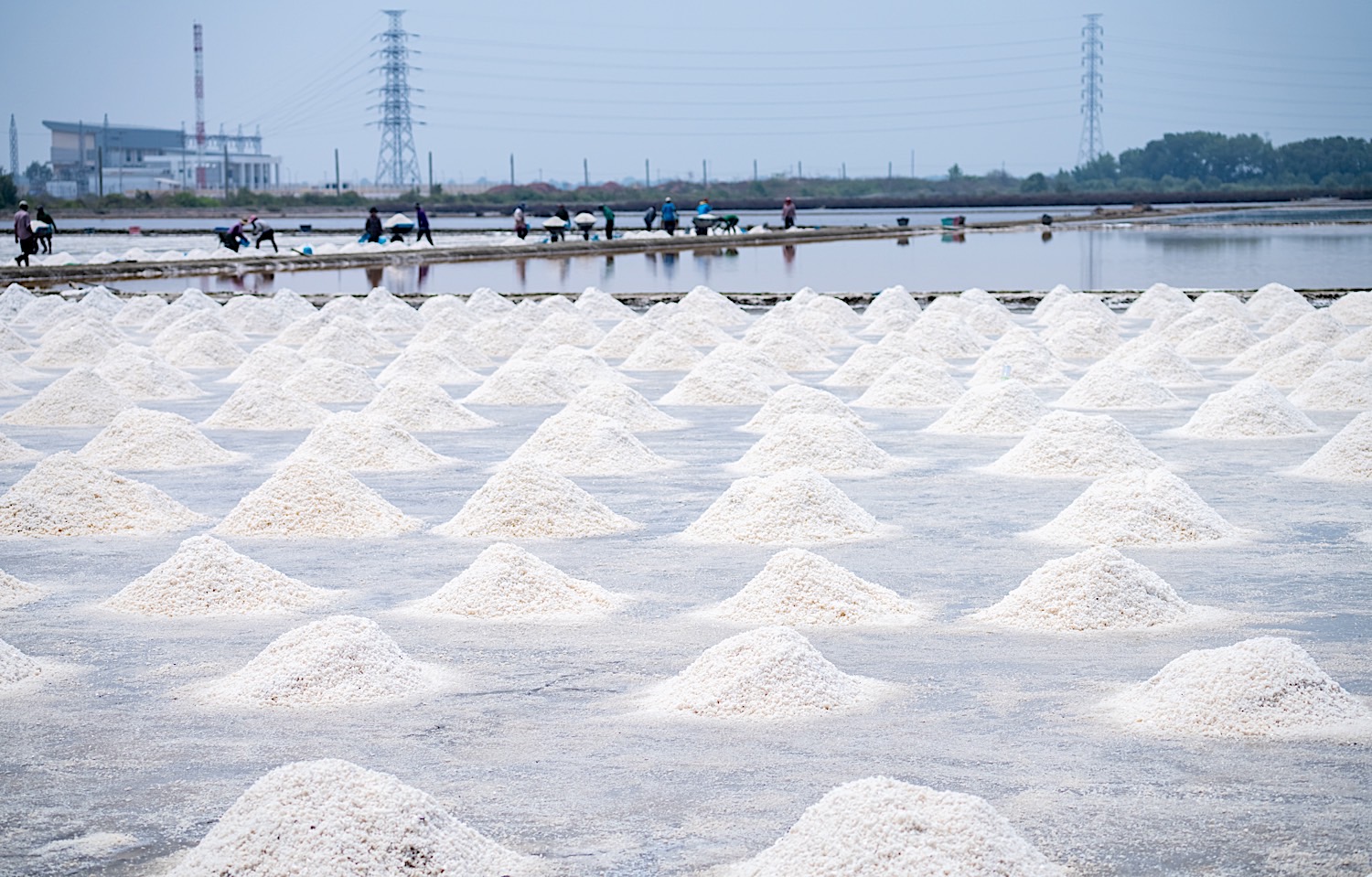
The fundamental case for sodium-ion batteries is rooted in simple economics and geopolitics. Lithium is relatively scarce, with approximately 26 million tons of reserves concentrated in a handful of countries. Sodium, by contrast, is virtually limitless and can be extracted from seawater at minimal cost.
This abundance translates directly to cost advantages. Sodium-ion batteries are projected to be 20% to 30% cheaper to manufacture than their lithium-ion counterparts, primarily because they eliminate the need for expensive materials like lithium, cobalt, and copper. The cathode materials for sodium-ion batteries can be built using iron and manganese, which are abundant, inexpensive, and ethically sourced.
Beyond cost, sodium-ion chemistry offers safety advantages. Sodium-ion batteries are significantly less prone to thermal runaway—the dangerous overheating that can lead to fires in lithium-ion systems. They can also operate effectively across a wider temperature range, making them suitable for diverse climate conditions without sophisticated thermal management systems.
- Source: Explanation of sodium abundance and material cost advantages over lithium-ion. | 2025 | CATL Official | https://www.catl.com*
- Source: Overview of sodium-ion chemistry and performance characteristics. | 2025 | MIT Technology Review | https://www.technologyreview.com*
The Breakthrough: CATL Takes Sodium-Ion Commercial
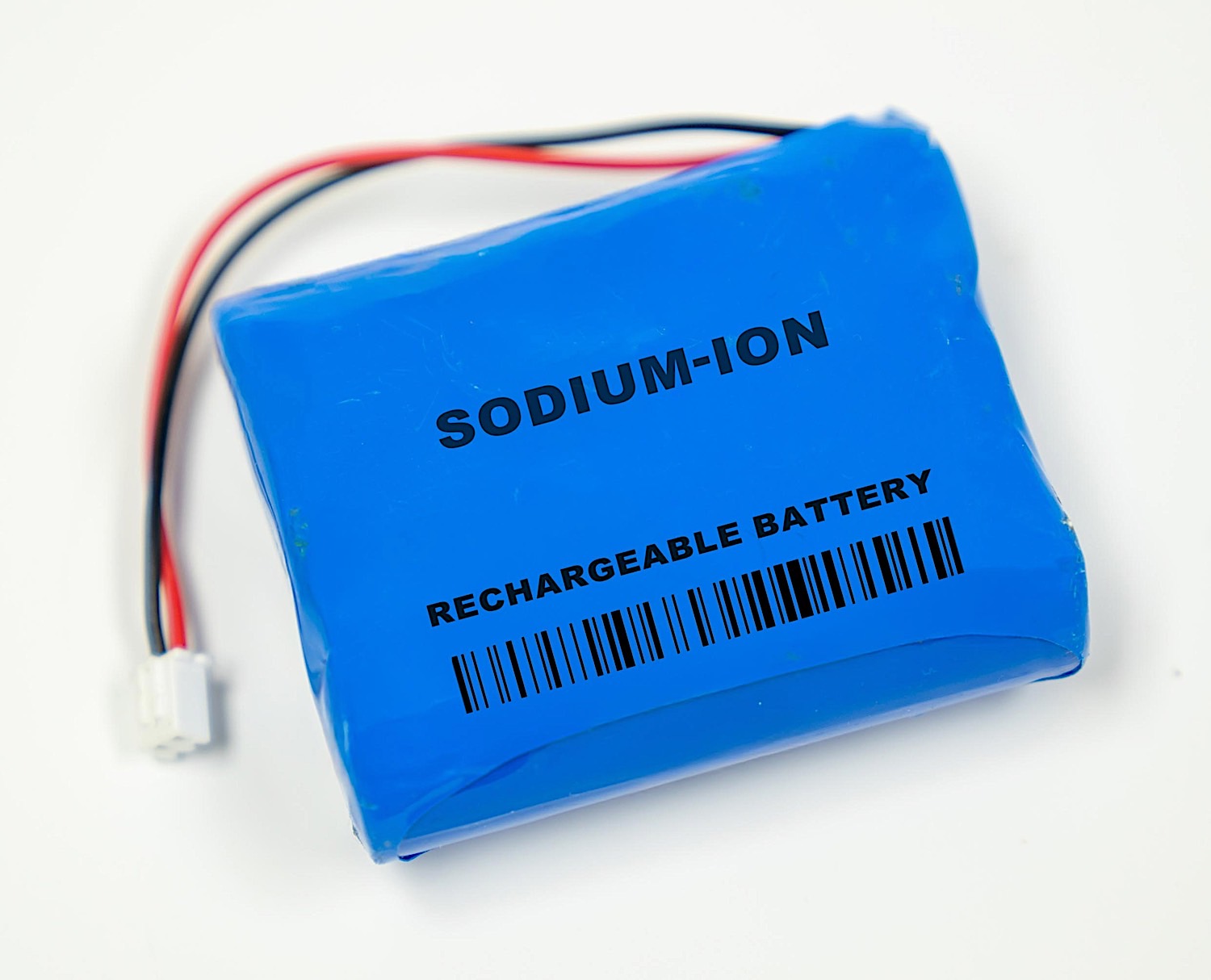
The most significant validation of sodium-ion technology came in 2025, when Contemporary Amperex Technology Co. Limited (CATL), the world’s largest battery manufacturer, announced the commencement of large-scale production of sodium-ion batteries. For an industry that has long viewed sodium-ion as a promising but distant alternative, this announcement marked a decisive shift.
CATL’s sodium-ion battery, first unveiled in 2021, has undergone rigorous refinement. The company’s second-generation sodium-ion cell achieves an energy density of 200 watt-hours per kilogram—approaching the lower end of lithium-iron-phosphate (LFP) batteries while offering superior cost and safety characteristics.
The manufacturing scale is equally important. CATL’s production lines are capable of producing sodium-ion cells at volumes comparable to their lithium-ion counterparts, ensuring that supply can meet anticipated demand. The company has confirmed that its sodium-ion batteries are being supplied to automakers for integration into entry-level electric vehicles, as well as to grid storage operators seeking cost-effective stationary storage solutions.
Industry analysts view this as a watershed moment. “CATL’s move into sodium-ion production signals a fundamental shift in the battery industry,” one sector report noted. “It’s not just about replacing lithium in niche applications—it’s about creating an entirely new tier of energy storage that can address markets where cost and sustainability are paramount.”
- Source: Announcement of CATL’s large-scale sodium-ion production and energy density specifications. | 2025 | MIT Technology Review | https://www.technologyreview.com*
- Source: CATL’s second-generation sodium-ion battery technology details. | 2025 | CATL Official | https://www.catl.com*
How Sodium-Ion Works (And Where It Excels)
Sodium-ion batteries operate on fundamentally the same principle as lithium-ion batteries: ions shuttle between anode and cathode during charge and discharge cycles. The key difference lies in the charge carrier—sodium ions are larger and heavier than lithium ions, which historically created challenges for energy density and cycle life.
Recent breakthroughs have addressed these limitations. Advanced cathode materials, including Prussian blue analogs and layered oxides, have dramatically improved sodium-ion capacity and stability. Hard carbon anodes, derived from biomass sources like coconut shells or peat, provide the structural integrity needed to accommodate the larger sodium ions without degradation.
The result is a battery chemistry with distinct advantages:
1. Cost: The elimination of lithium, cobalt, copper, and nickel from the supply chain reduces material costs by up to 30%.
2. Safety: Sodium-ion batteries exhibit superior thermal stability, with dramatically reduced fire risk compared to conventional lithium-ion systems.
3. Temperature Tolerance: They maintain performance across a broader temperature range, eliminating the need for heating or cooling systems in many applications.
4. Sustainability: Sodium extraction is environmentally benign, and the materials used are fully recyclable.
However, sodium-ion batteries currently have lower energy density than lithium-ion, making them less suitable for applications where weight and space are at a premium—such as long-range electric vehicles or high-end smartphones. Instead, they are ideally suited for stationary grid storage, low-cost urban EVs, and applications where safety and cost outweigh the need for maximum energy density.
- Source: Technical overview of sodium-ion chemistry, materials, and performance tradeoffs. | January 2026 | MIT Technology Review | https://www.technologyreview.com*
Applications and Market Trajectory
The commercial rollout of sodium-ion batteries is targeting three primary market segments:
1. Grid-Scale Energy Storage: Stationary storage is sodium-ion’s strongest near-term opportunity. Utilities and grid operators require vast amounts of low-cost energy storage to support renewable integration, and safety is a paramount concern. Sodium-ion systems can be deployed at large scale without the fire risks associated with lithium-ion.
2. Entry-Level Electric Vehicles: Automakers are exploring sodium-ion batteries for urban commuter vehicles, where the lower energy density is less of a concern than cost and safety. In this segment, sodium-ion can significantly lower the entry price for electric mobility.
3. Low-Cost Consumer Electronics: Power banks, e-bikes, and other applications where compactness is not the primary driver are early adopters of the technology.
Market projections reflect the growing momentum. The global sodium-ion battery market is expected to exceed $5 billion by 2030, driven by grid storage expansion in China, India, and Europe. According to recent analyses, annual sodium-ion production capacity could reach 200 gigawatt-hours by 2030—a tenfold increase from current levels.
- Source: Sodium-ion market projections and growth forecasts. | January 2026 | MIT Technology Review | https://www.technologyreview.com*
A Sustainability Perspective
From an environmental standpoint, sodium-ion batteries represent a significant advance. The environmental and human rights concerns associated with lithium and cobalt mining—including water depletion in South America’s salt flats and child labor in the Democratic Republic of Congo—are largely eliminated with sodium-ion chemistry.
Furthermore, sodium-ion batteries are easier to recycle. The absence of toxic heavy metals simplifies the recycling process, and the materials used are inherently less hazardous to handle. This aligns with the growing regulatory pressure on battery producers to design for circularity.
Lithium-ion batteries have served us well, but they were never designed for the scale we now need. Sodium-ion offers a pathway to truly sustainable energy storage, built on materials that are abundant, ethical, and endlessly recyclable.
- Source: Environmental and sustainability advantages of sodium-ion batteries. | 2025 | CATL Official | https://www.catl.com*
What’s Next: The Road to Widespread Adoption
The next three to five years will determine whether sodium-ion batteries become a mainstream technology or remain a niche player. Key milestones on the horizon include:
- Energy Density Improvements: Ongoing research aims to push sodium-ion energy density above 250 Wh/kg, which would make them competitive with mid-range lithium-ion chemistries.
- Manufacturing Scale-Up: As production volumes increase, economies of scale will further reduce costs, accelerating adoption.
- Automaker Adoption: Major automotive manufacturers are evaluating sodium-ion batteries for their entry-level EV platforms, with first commercial deployments expected in 2026-2027.
- Grid Storage Projects: Large-scale demonstration projects in China, Europe, and the United States will provide real-world validation of sodium-ion performance and longevity.
The technology’s trajectory has already surpassed most expectations. In 2021, sodium-ion was considered a long-shot alternative; by 2025, it had achieved commercial production. As the technology continues to mature, sodium-ion batteries could fundamentally transform the economics of energy storage—making clean energy accessible to billions who have been priced out of the lithium-ion revolution.
Sources Summary
|
Description |
Date |
Author/Source |
Link |
|
MIT Technology Review’s “10 Breakthrough Technologies 2026” feature |
January 2026 |
MIT Technology Review |
|
|
CATL sodium-ion battery product specifications |
2025 |
CATL Official |
|
|
CATL official sodium-ion battery announcement |
2025 |
CATL Official |
|
|
Investor and market analysis of sodium-ion sector |
2025 |
Barchart via PRNewswire |